
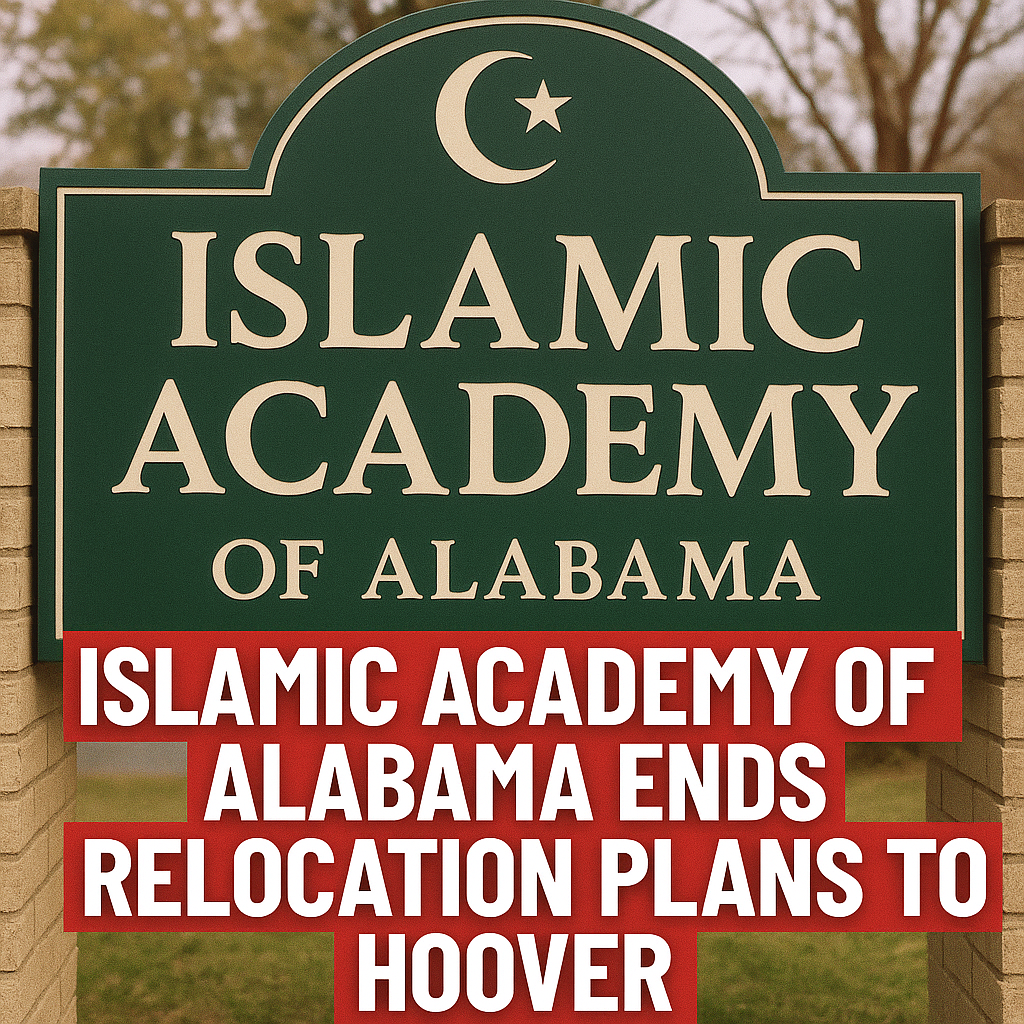

The Islamic Academy of Alabama’s Relocation Plans Halted in Hoover
Background Context
The Islamic Academy of Alabama recently announced its decision to pause plans for relocating to Hoover, Alabama. This development follows a series of community concerns expressed during a recent meeting of the city’s planning and zoning commission. This meeting became a focal point for local dialogue surrounding the proposed move, highlighting the complexities involved in community integration and the differing perspectives on educational institutions.
Community Reactions
At the heart of the matter are the voices of Hoover residents. During the meeting, numerous community members articulated their opposition to the academy’s relocation. Their concerns reflected a mix of sentiments, ranging from apprehensions about cultural integration to specific worries about how the establishment of the academy might impact local dynamics.
Commission’s Decision
In response to the community outcry, the planning and zoning commission voted against the Islamic Academy’s conditional use application. This decision was pivotal, as it effectively halted the academy’s immediate plans to establish a new location within the city. The commission’s choice underscores the often complicated relationship between local governance and community sentiment.
City’s Official Statement
On Sunday evening, the city of Hoover released a statement confirming that representatives of the Islamic Academy had decided against pursuing their case with the city council. The city noted, “Therefore, the city considers the matter closed.” This indicates a formal conclusion to the current discussions, allowing the city to focus on other matters while reflecting the community’s stance.
The Academy’s Response
In light of these developments, the Islamic Academy of Alabama issued its own statement. The academy expressed that, after analyzing the feedback from the planning commission meeting and the subsequent community response, they would redirect their efforts towards exploring alternative opportunities. This shift emphasizes the academy’s commitment to aligning with community needs and maintaining positive relationships with local families.
Political Commentary
The situation was further complicated by political commentary from Alabama Senator Tommy Tuberville. His remarks on social media suggested that the Islamic Academy should not be moving to Alabama at all, labeling such institutions as “Islamic indoctrination centers.” His comments drew immediate backlash and were characterized by the academy as “inflammatory, baseless, and defamatory.” This illustrates the broader societal debates surrounding education, cultural inclusion, and political influence in community decisions.
Broader Implications
This incident shines a light on deeper issues regarding educational diversity, cultural acceptance, and the role of local governance in shaping community identity. The reactions to the Islamic Academy’s plans manifest the challenges faced by educational institutions seeking to establish themselves in new areas, particularly when cultural or religious facets come to the forefront of public discourse.
Looking Ahead
As discussions around the Islamic Academy unfold, the situation remains a poignant reminder of the complexities that come with integrating diverse educational institutions into established communities. The academy’s future plans may greatly depend on ongoing community engagement and dialogue that seeks to bridge gaps and foster understanding between differing perspectives.
Stay Informed
For the latest updates and developments regarding this topic and others, consider subscribing to news alerts from WBRC or downloading their app on the Apple App Store or Google Play Store.