

In her new book, historian Nadia Khan uncovers the vibrant, centuries-old traditions of Muslim dance, revealing a hidden history of movement and faith
For many, dance is simply a form of entertainment or celebration. For Nadia Khan, a cultural historian, dance has served as a gateway to explore the rich tapestry of Muslim culture and spirituality. Her profound fascination began at the age of nine, during a community event in Wembley, where she witnessed a Moroccan mother and daughter performing the shikhat, a traditional style of belly dance. This mesmerizing experience ignited a deep appreciation for movement as an expression of beauty and grace, laying the groundwork for her life’s work.
Khan’s latest book, Dance Histories: A Journey Across the Muslim Silk Road, ambitiously maps the often-overlooked dance traditions within the Muslim world. She argues that movement has always been integral to the spiritual and communal life of Muslims, yet these histories remain largely unrecorded. Khan asserts, “The only reason these histories feel invisible is because they were lived, not archived,” an insight that speaks volumes about the preservation of cultural practices.
Understanding the nuanced relationship between dance and Islam is central to Khan’s narrative. Although public dancing has often been discouraged in some Muslim communities, this reluctance isn’t due to an outright ban from the Qur’an. Instead, it reflects a concern that women’s movements may attract the male gaze and lead to fitna, or social discord. “The discomfort lies not in movement itself, but in the unsolicited gaze upon it,” she explains, challenging the prevailing perceptions that often frame Islamic dance through colonial or patriarchal lenses.
Khan also aims to correct misconceptions surrounding women’s roles in Islamic dance. The book highlights various traditional dance forms, such as the eagle dance from Tajikistan, showcasing the fluidity and inclusivity of these practices. During this performance, both men and women take to the stage, each interpreting the dance through their unique perspectives. “It shows how fluid these traditions really are,” Khan remarks, emphasizing that dance is a shared expression rather than a gender-specific activity.
Another fascinating aspect Khan explores is the singkil, a lively dance from the southern Philippines that underscores the enduring relationship between Muslim culture and folk traditions. She argues that these dances are often overlooked in broader narratives about Muslim life, yet they are vibrant threads in the cultural fabric of these communities. The book also pays homage to women like Fahima Mirzaei, who defy traditional norms by performing the Sufi sema, a practice long viewed as male-dominated. “People don’t realize women have whirled for centuries,” she stresses, reclaiming their place in history.
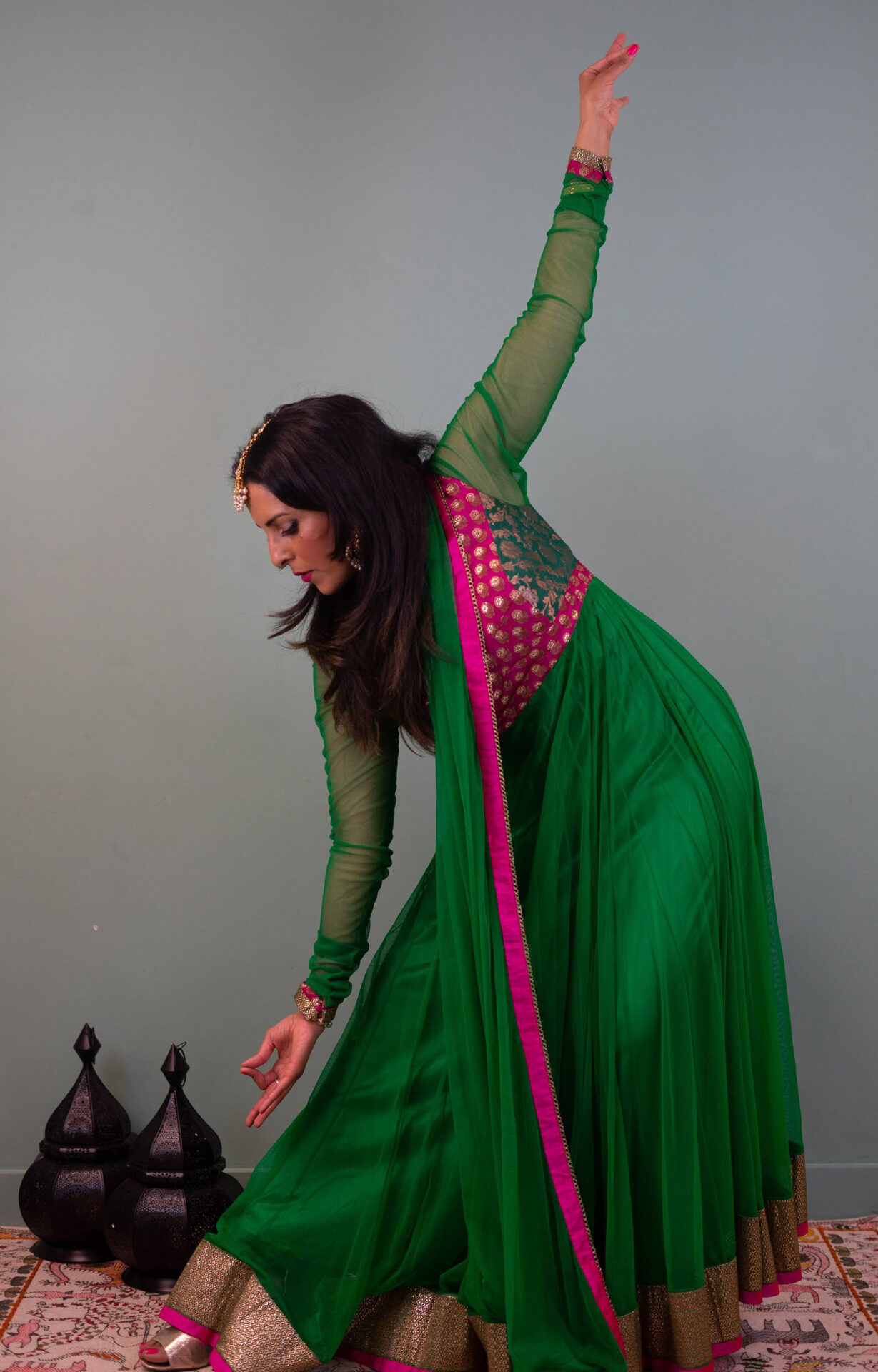
Khan’s narrative is enriched with personal anecdotes and reflections, seamlessly blending cultural history with lived experience. Growing up in a British Indo-Pakistani household, she was surrounded by dance and storytelling, recalling how her mother would recount tales of the Pakistan Arts Academy. This personal connection enhances her scholarly work, making it relatable and engaging for readers.
Her research process spanned five years, involving meticulous exploration of scarce academic resources, including online journals and ethnographic studies. One of her significant influences was ethnomusicologist Lois Ibsen Al-Faruqi, who argued for the existence of a rich Muslim dance culture across civilizations. Through interviews with dancers, Khan discovered a recurring theme: many were unaware of the Islamic history and symbolism embedded in their dance practices, often presented instead through a sanitized, nationalistic lens.
An eye-opening moment for Khan came when she learned about Tatar scholar Diana Takutdinova’s work on Islamic influences in Tatar folk dance. Takutdinova emphasized the challenge of finding academic research connecting Islam to dance traditions in her region. However, her observations of local performances revealed strong ties to Muslim heritage, highlighting a narrative often ignored in mainstream discourse.
Throughout her book, Khan emphasizes how dance serves as a fundamental element of Islamic life, linking emotional expression with spirituality. “When you feel, you dance,” she exclaims, demonstrating how dancing intertwines with communal gatherings, festive celebrations, and rituals. From joyful dance circles to the serene motions of Sufi whirling, dance becomes a medium through which people express their feelings and spirituality.
Khan also invites readers to reflect on the intention behind movement—a core principle in Islam. “Are you moving to let off steam? To celebrate? To express gratitude?” She argues that intention shapes every act, including dance. For her, reconnecting with the beauty of movement represents an essential aspect of faith, aligning with the belief that “Allah is beautiful and loves beauty.”
Dance Histories: A Journey Across the Muslim Silk Road is published by Beacon Books.