
A Glimpse into the Iranian Monarchy Revival: Reza Pahlavi’s Aspirations
When you buy through links on our articles, Future and its syndication partners may earn a commission.
In recent weeks, a notable resurgence of interest has emerged around the possibility of a restoration of the monarchy in Iran. Crown Prince Reza Pahlavi, the son of the last Shah, has stepped back into the public eye, advocating for a new direction for Iran amidst ongoing protests against the present clerical regime. With the country embroiled in civil unrest and calls for change, Pahlavi’s name has echoed through the streets, underscoring a significant shift in the political landscape.
Crown Prince Reza Pahlavi: A Voice for Change
Having lived in exile since the Islamic Revolution of 1979, Pahlavi is no stranger to the complexities of Iran’s political struggles. Recently, he has claimed that many in Iran are eagerly “demanding a credible new path forward” and have “called for me to lead.” His re-emergence is particularly striking given his previous dismissal as politically irrelevant. Now, as chants of his name resonate during protests, there’s a palpable air of hope for some, even as skepticism lingers about whether he possesses the political acumen and support necessary to reclaim the throne.
Despite the outcry for monarchic revival, the path remains ambiguous. Pahlavi, now 65, is keenly aware of the heavy weight of expectation on his shoulders. Yet, questions about whether he can galvanize sufficient support in Iran or influence key international players, particularly in Washington, loom large.
Life Before the Revolution
To understand the gravity of these current developments, it’s essential to look back at Iran prior to the revolution. The Iranian Revolution of 1979 is often cited as one of the pivotal geopolitical events of the 20th century. It heralded the rise of a conservative theocratic state, which has since defined Iranian governance. Yet, before this transformation, Iran was characterized by a nurturing environment for economic growth, education, and cultural freedom, primarily under the rule of Shah Mohammad Reza Pahlavi.
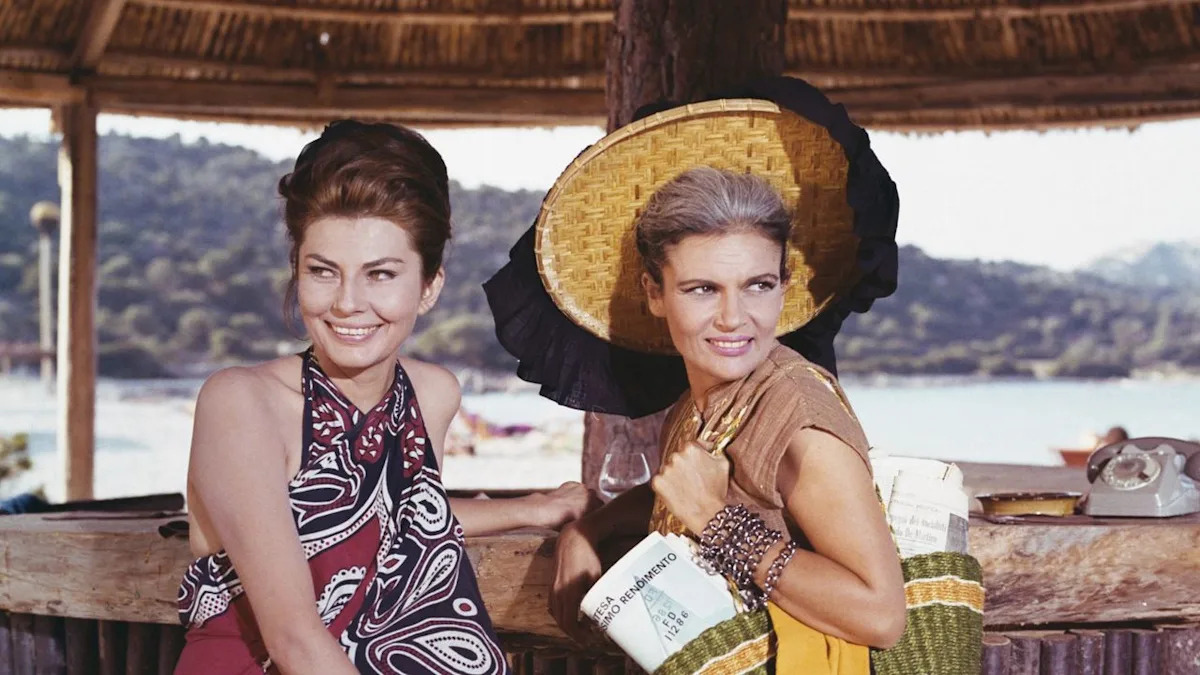
The Shah’s administration was aimed at modernizing the nation and fostering a Western-oriented, secular society. Notable improvements included expanding educational opportunities and promoting women’s rights. Women began to access education in previously unimagined ways, gaining the right to vote by the mid-1960s and enjoying the freedom to dress in modern attire.
However, the Shah’s regime was also marked by authoritarianism. While many welcomed his reforms, his refusal to tolerate dissent ultimately set the stage for the revolution. The dichotomy of progress and repression galvanized opposition, which would evolve into a potent force against his rule.
Path to the 1979 Revolution
Historians recognize that the seeds of discontent were sown during the Shah’s rapid modernization efforts. As the country strived for progress, segments of the population felt overwhelmed and alienated. Older generations, in particular, struggled to reconcile traditional cultural values with the swift changes implemented by the regime. This discord became fertile ground for revolutionary sentiments, leading to increased support for opposition figure Ayatollah Khomeini, who emerged as a symbol of traditional values.
The revolution gained momentum through high-profile events, such as the January 1978 students’ protests in response to negative media portrayals of Khomeini. The amalgamation of various societal factions—including religious conservatives and radical leftists—formed a coalition potent enough to challenge the regime, demonstrating that broad support existed for change, even among women, who would play a crucial role in the protests.
Comparing 1979 and Today
Fast forward to the present, Iran has seen its share of protests since the 1979 revolution, and the recent waves of unrest echo the past. The tragic death of Mahsa Amini, a young woman detained for violating hijab laws, ignited widespread outrage. Her death became a rallying cry, leading thousands to take to the streets, seeking justice and systemic change.
However, the regime’s response has shifted. Unlike the Shah, who hesitated to deploy military force against dissenters, the current government demonstrates a willingness to suppress protests with brutal tactics. This shift is a crucial distinction between the two epochs of dissent: today’s regime appears resolute in maintaining control at any cost.
In this context, the challenge for contemporary Iranian revolutionaries is stark. As analysts note, a cohesive leadership comparable to Khomeini is essential for any movement aiming to replace the existing regime. There is a clear yearning for change; however, the absence of a unifying figure offers uncertainty about what comes next.
Reza Pahlavi’s Role in the Future of Iran
With the backdrop of this unrest, Crown Prince Reza Pahlavi’s ambitions take on new significance. He hopes to position himself as a leader who can guide Iran toward a democratic future. Nonetheless, this vision is met with skepticism. Many within and outside Iran question whether he can rise to the occasion.
The interplay of historical context, current struggles, and future aspirations paints a complex picture of Iran’s political landscape. As protests continue and calls for change grow louder, the question remains: can a symbol of a bygone monarchy become a beacon of hope for a modern Iran seeking far-reaching reform?