
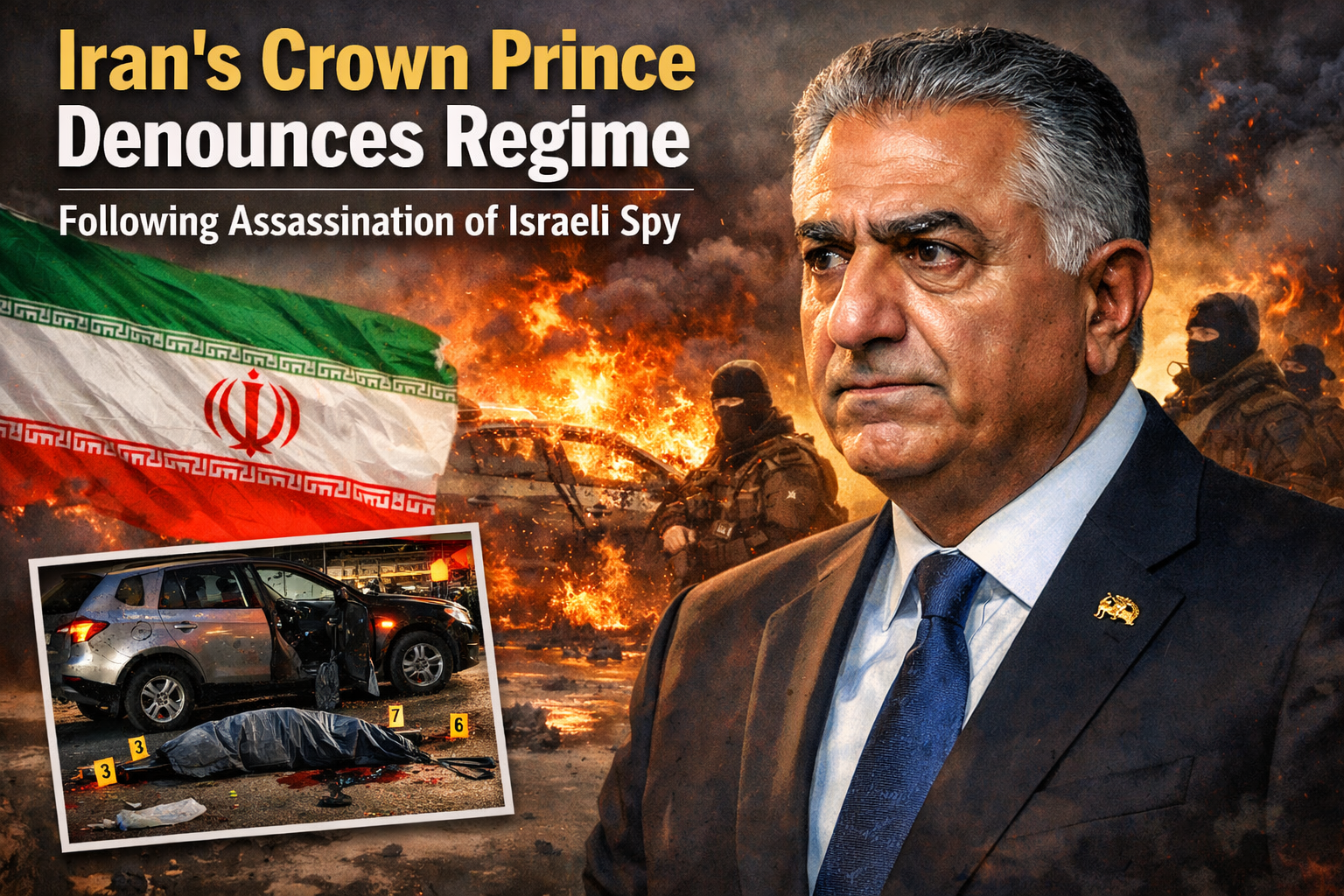

Iran’s Crown Prince Condemns Regime After Execution of Alleged Israel Spy
The Incident: Execution of Aghil Keshavarz
On December 21, 2025, an Iranian student named Aghil Keshavarz was executed by the Iranian regime after being convicted of spying for Israel. The judiciary’s decision has stirred significant outrage among various factions, igniting a new wave of criticism aimed at the Islamic Republic. Keshavarz, a Shahrood University student, was found guilty under accusations of collaborating with Israeli intelligence, leading to his tragic fate.
Reza Pahlavi’s Response
In response to the execution, Reza Pahlavi, the exiled crown prince of Iran, offered a heartfelt condemnation. Pahlavi, a vocal critic of the Iranian regime, emphasized that such acts of brutality highlight the ongoing repression faced by the Iranian people. His statements have resonated with many Iranians who view Keshavarz’s execution as emblematic of the broader human rights challenges in their country.
Human Rights Implications
Keshavarz’s case has drawn attention from international human rights organizations. The execution raises critical questions about due process and the legal standards employed by Iran’s judiciary, often accused of lacking transparency and fairness. The regime’s actions are seen as part of a larger pattern of oppression against dissidents and perceived enemies. Activists argue that this incident underscores the urgent need for reform in Iran’s legal system.
The Historical Context
Reza Pahlavi represents a symbolic figure for many Iranians who strive for change. The monarchist movement advocates for democratic reforms and has voiced a desire to restore a constitutional monarchy in Iran. This call echoes the sentiments of those disenchanted with the clerical regime that took power after the 1979 revolution. Pahlavi’s actions and statements are often viewed through this lens of historical struggle and the aspiration for a more democratic Iran.
Reactions from the Iranian Public
The Iranian public’s reaction to Keshavarz’s execution has been mixed. Many citizens express their frustration and fear of speaking out, due to the regime’s heavy-handed approach to dissent. Social media platforms, particularly among the youth, have become a space for dialogue and expression. However, the fear of censorship and punishment casts a long shadow. Pahlavi’s comments, channeling public discontent, inspire hope for a future where voices can be freely expressed.
International Repercussions
The execution has sparked discussions beyond Iran’s borders, affecting diplomatic relationships. Western countries, particularly the U.S. and European nations, have criticized the Iranian government’s human rights record. The timing of Keshavarz’s execution also raises eyebrows due to ongoing geopolitical tensions in the Middle East. As dialogues surrounding nuclear agreements and regional security persist, human rights issues often become collateral damage in broader political maneuvering.
The Role of Social Media
In an age where information spreads rapidly through various digital platforms, news of Keshavarz’s execution was disseminated quickly. Social media has become a powerful tool for advocacy, enabling activists to organize, share information, and bring international attention to human rights violations. The younger generation in Iran is leveraging this medium to challenge the narratives imposed by state-controlled media.
Future Implications for Iran
The fallout from Keshavarz’s execution may have long-lasting implications for the Iranian regime. It could embolden dissenters and ignite new protests or movements, as citizens become increasingly aware of the injustices occurring within their legal and political systems. Pahlavi’s role as a rallying figure may also grow, as those disillusioned with the current regime search for alternative leadership.
Summary of the Current Landscape
In summary, the execution of Aghil Keshavarz is not merely an isolated incident but a reflection of the ongoing struggle for human rights in Iran. The global community watches closely, while individuals within Iran ponder the future possibilities for change and reform. The dialogue ignited by this tragedy could spark both domestic and international movements seeking accountability and justice in an increasingly complex geopolitical landscape.